Wednesday, December 11, 2019

Bucks in the Night


In northcentral Pennsylvania the breeding season (the rut) for white-tailed deer peaks in mid-November. Some bucks become interested in does in October and they may continue pursuing the ladies until January, but most does are bred during two weeks in the middle of November.

Research has shown that, as the breeding season approaches, bucks begin roaming widely and many entirely leave their home range in search of receptive does. After breeding season those bucks that survive hunting season tend to return to their home range.


The camera traps on the hill above the house captured videos of bucks that came in search of the does that frequent the area. 
 

The videos were taken at the peak of the rut, only the spike (called 2-point in the video) and the 4-point were around before the rut; then the larger bucks came looking for girlfriends. Those two young bucks were probably 1½ years old and hadn’t dispersed earlier in the year – but they may have dispersed to look for a new home now that the big guys have arrived, the young bucks haven't been caught on camera traps again.

Those big bucks might hang around for a while before most of them gradually make their way back to the home ranges they occupied earlier in the year. Others may find our area more to their liking and stay here.

Wednesday, December 4, 2019

Late Autumn Colors


As the season ages, the brilliant colors of fall gradually fade, becoming more and more difficult to find. Here in northcentral Pennsylvania the leaves of black birch and its more northern relative white birch are usually the first to turn from green to yellow; then the maples turn to red, yellow or orange. As the season progresses the leaves of other species turn color and fall to the ground. The oaks come last in the parade of colors.

By early November most trees are bare of leaves and the herbaceous plants have finished blooming. The colorful birds of spring and summer have migrated to warmer climes and the northern birds that head our way are slowly arriving.

Migrating waterfowl pass through in November and some linger for a while; and there are even a few insects that become active on warmer days. And there’s still some color to be found – oaks, being the last trees to turn color, brighten the landscape; and there are even a few scattered leaves of other tree species.

Robin
Floating Oak Leaves
New York Fern

American Hornbeam
Oriental Bittersweet


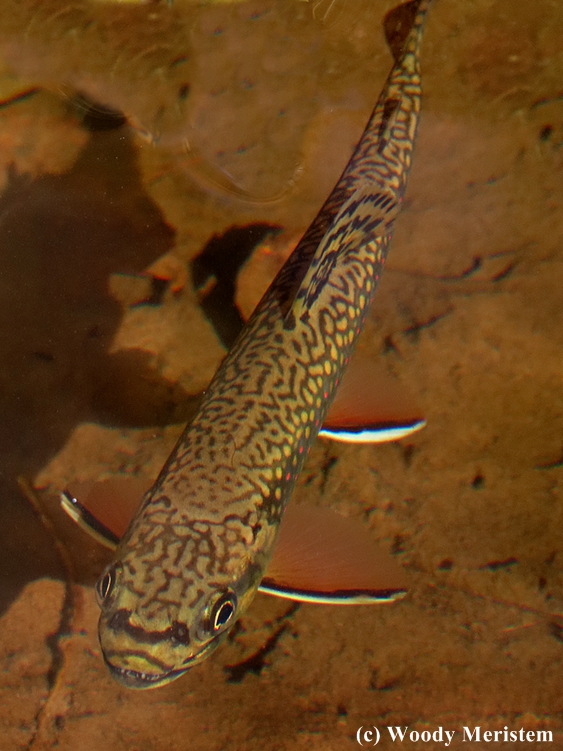
Brook Trout
Mallard

Wolf's Milk Slime Mold

Goldenrod Seed
Canada Geese
Japanese Larch

Frost on Black Maple leaf
Witch-hazel Flowers
White Birch
Ruddy Ducks
Pin Oak Leaf

Morning Sun

Mute Swan

Comma Butterfly

Blue Jay

Red Maple Leaf
Red Oak Leaves


First Snowflakes

Come early December the colors are almost all gone, replaced by the grays and browns of winter.

Or the white of winter storms –